Identifying blackheads
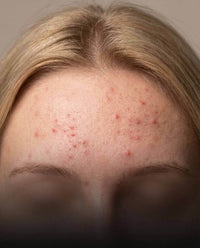
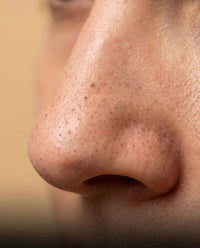
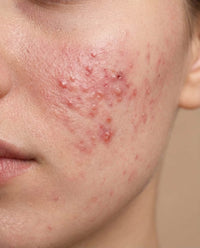
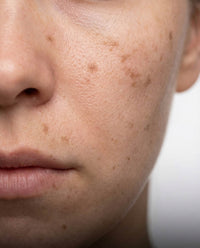
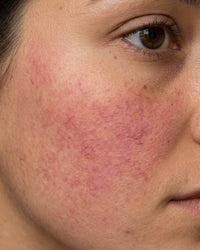
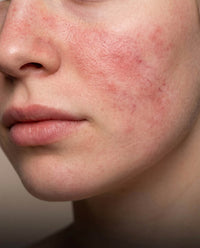
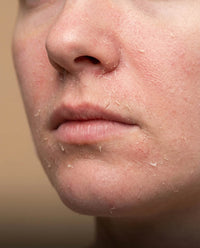
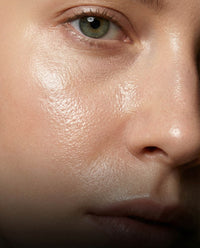
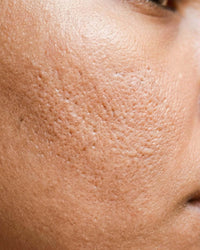
Blackheads and blemishes are both common skin issues but have different causes and appearances. Blackheads, also known as comedones, form when skin pores become clogged with dead skin cells and sebum. There are two types of blackheads: open comedones (blackheads) and closed comedones (whiteheads). Open blackheads appear dark because the sebum at the skin’s surface oxidizes and turns black. Closed blackheads, on the other hand, remain under the skin’s surface and appear as small white bumps.
Benefits for skin with blackheads
Skin with blackheads greatly benefits from regular yet gentle cleansing. Using mild cleansers can help remove excess sebum and dirt without drying out the skin. Products containing ingredients like salicylic acid are particularly beneficial as they penetrate deeply into the pores to prevent blockages. Regular exfoliation also helps remove dead skin cells, cleanse pores, and refine the skin's texture. Chemical exfoliants, especially those with alpha- and beta-hydroxy acids (AHAs and BHAs), are recommended for gentle exfoliation. These exfoliants prevent new blackheads from forming and contribute to long-term skin clarity. When choosing moisturizers and sunscreens, opt for light, non-comedogenic formulations. Remember, even oily skin needs hydration.
Don’ts for blackhead care
Caring for skin with blackheads can be challenging, as improper methods often worsen the issue. To keep your skin clear and healthy, it’s essential to avoid common mistakes. Squeezing blackheads with your fingers is one of the most frequent errors, which can lead to inflammation, scarring, and worsening skin issues. Avoid overly aggressive cleansers as well; products high in alcohol or harsh surfactants can dry out the skin, causing it to produce more sebum, which can worsen blackheads. Over-exfoliating or using harsh scrubs can damage the skin barrier, making the skin more sensitive. Your moisturizer should be free from oils or ingredients that clog pores—look for the term "non-comedogenic." Finally, don’t neglect sunscreen, as sun exposure can dry out the skin and increase sebum production, promoting blackhead formation.